As we transition toward Industry 5.0, factories increasingly require seamless cognitive collaboration between front-line workers and robotic arms.
Currently, robot arm control is complex and maintenance-intensive, demanding high learning curves and professional engineers—a situation underscored by the fact that traditional programming methods still depend on specialised expertise. With the Chinese robot industry generating over 130 billion yuan in operating income and facing a talent gap expected to widen from 3 million to over 4.5 million by 2025, there is a critical need for a low-cost, user-friendly interaction solution.
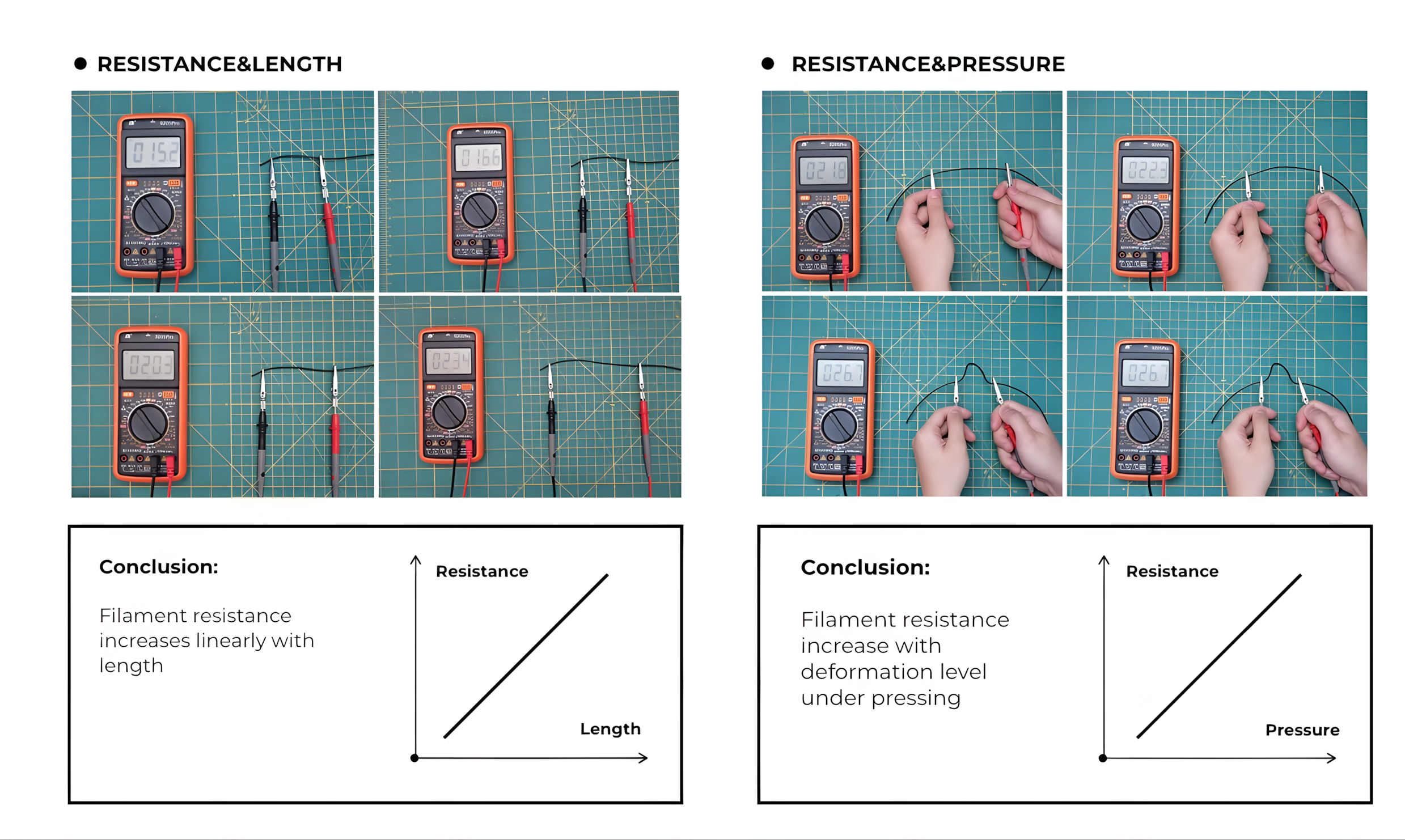
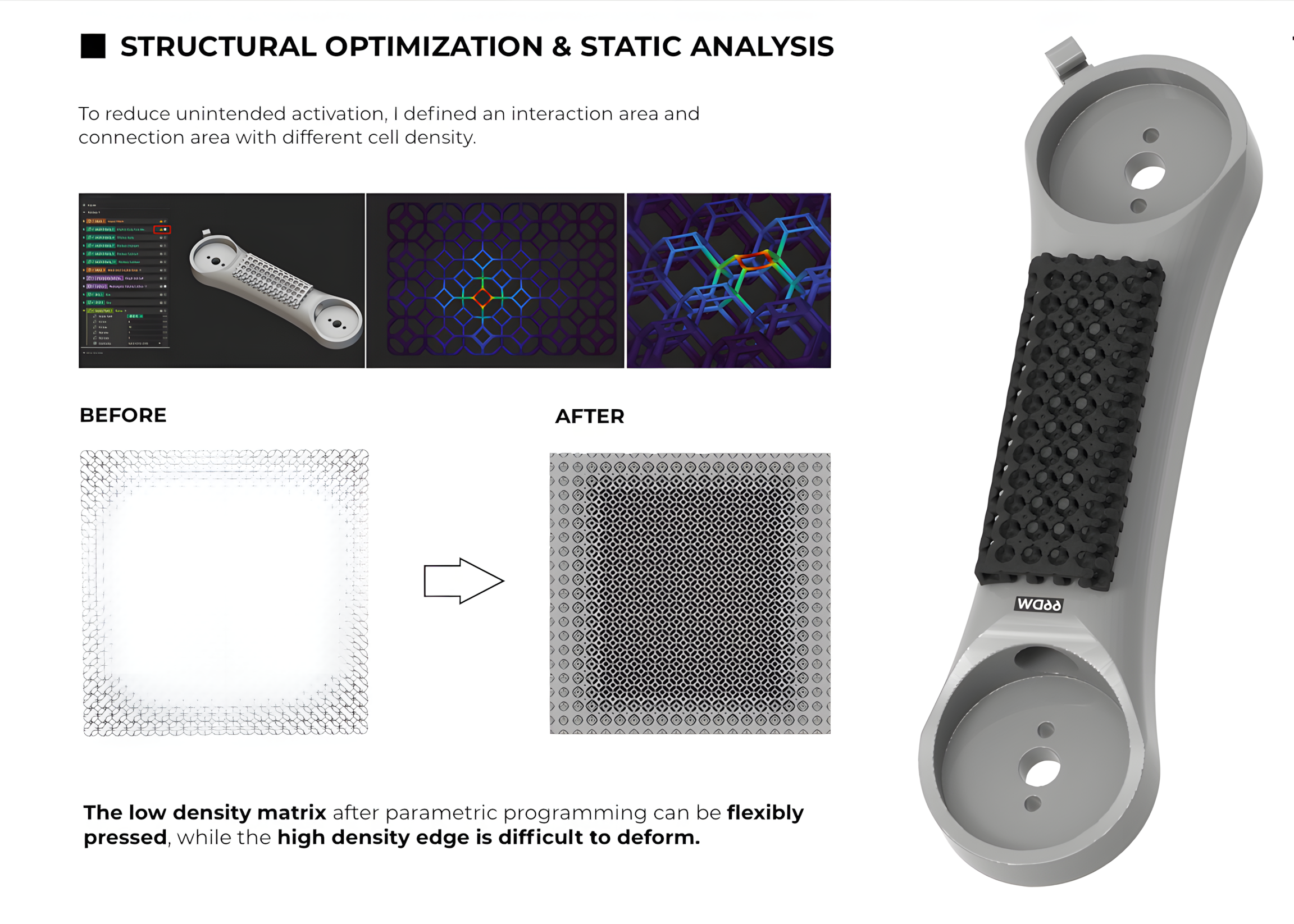
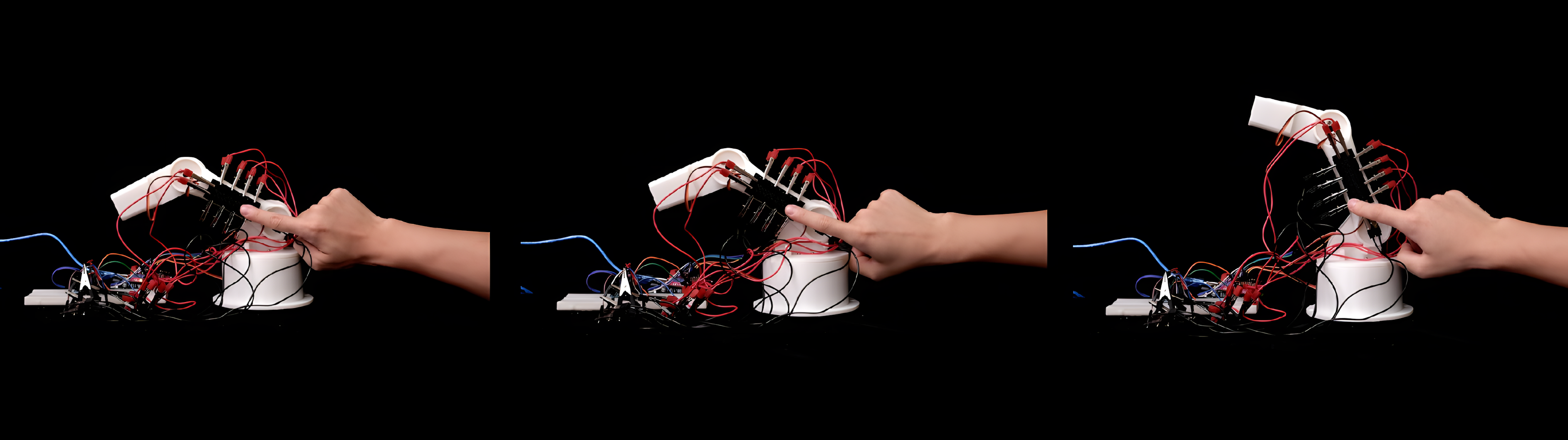
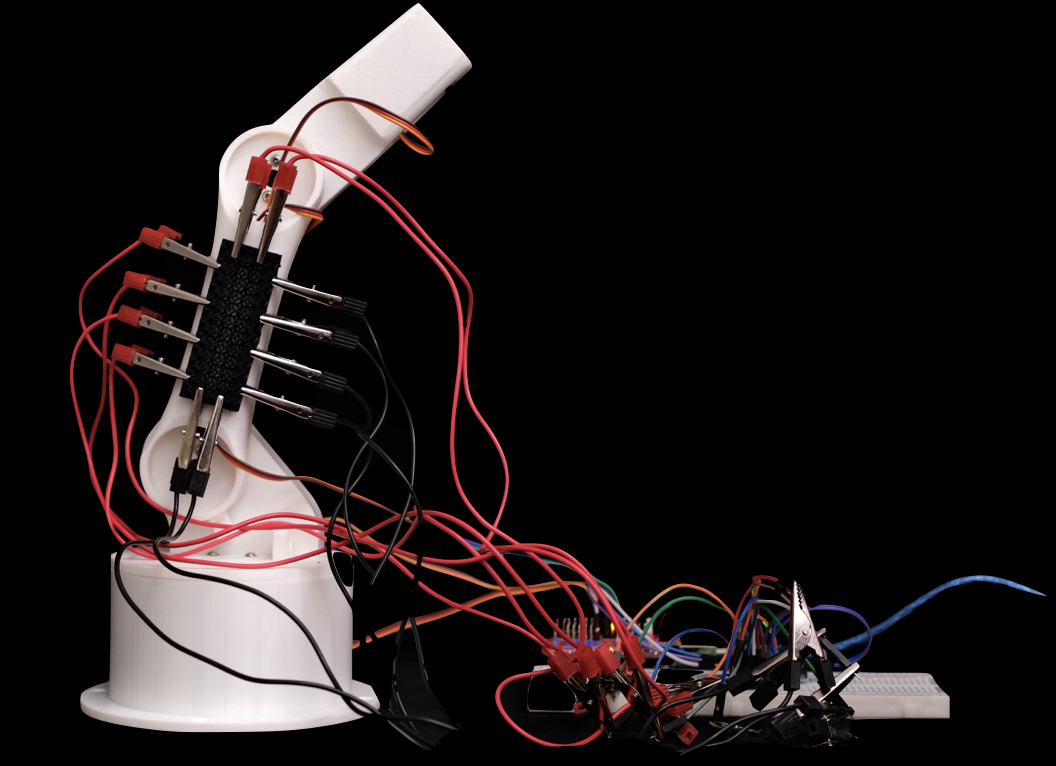
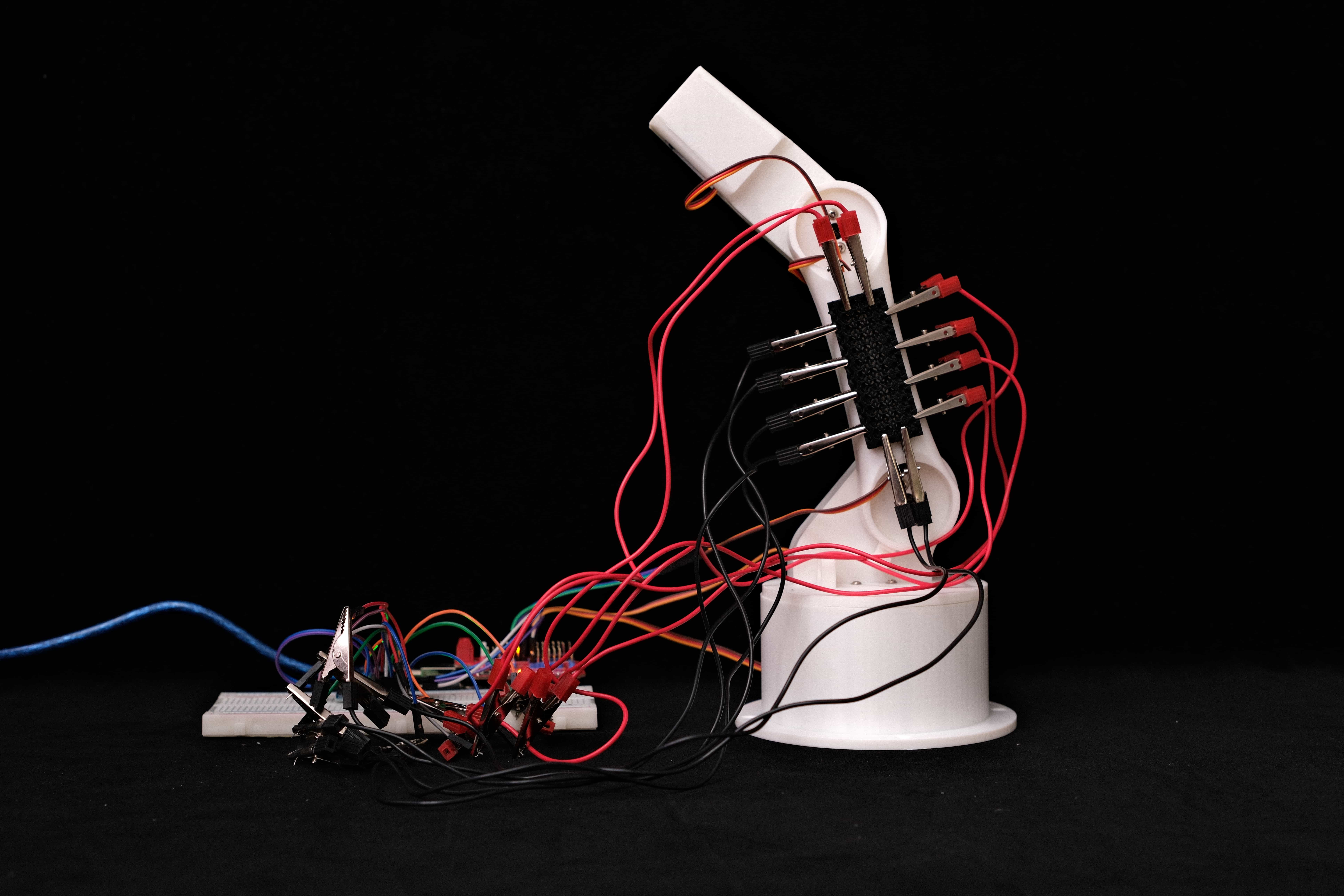
To address this, I have developed a sensor interface using flexible conductive 3D printing materials that replaces cumbersome pendant controls. This innovative system utilises resistance cross-sensing to allow workers to intuitively define and execute robotic arm behaviours, democratising robotic interaction for cooperative work environments.
随着我们迈向工业 5.0,工厂越来越需要一线工人与机械臂之间无缝的认知协作。
目前,机械臂的控制复杂、维护成本高,学习门槛高,还需要专业工程师——传统编程方式至今仍依赖专门技能,正说明了这一点。中国机器人产业营业收入已超过 1300 亿元,而人才缺口预计到 2025 年将从 300 万扩大到 450 万以上,因此迫切需要一种低成本、易上手的交互方案。
为此,我开发了一种采用柔性导电 3D 打印材料的传感界面,用以取代笨重的示教器。这一创新系统利用电阻交叉传感,让工人能够直观地定义并执行机械臂的动作,让协作工作环境中的机器人交互变得人人可用。